Modules inside the shell
Use this route when the retained envelope can carry internal technical blocks, maintenance routes, fire strategy and cooling distribution without pretending the warehouse volume is already a data hall.
Insights / Data centre conversion evidence
When an existing warehouse, logistics asset, industrial shell or brownfield site is being tested as a data centre candidate, the first visual question is not whether it can be made to look technical. It is whether the site can explain power, cooling, access, security, acoustic and planning evidence before the investment case moves forward.
A warehouse can become a data centre candidate only when the site can prove power, fibre, cooling, structure, access, security and planning suitability before the visual story moves into marketing. CGI is useful because it turns those constraints into reviewable evidence: what stays, what changes, where the plant goes, how the secure edge works, and whether the site reads as a credible data centre route rather than a dressed-up logistics shed.
Sometimes. A warehouse, logistics asset or industrial shell becomes a credible data centre candidate only when the site conditions match the operational demand: enough power, a workable grid connection date, fibre diversity, cooling and heat rejection space, structural suitability, secure access, acoustic mitigation and a planning route that can be explained to a local authority.
This is where conversion differs from a normal warehouse refurbishment. A warehouse CGI brief is usually judged on dock rhythm, yard depth, occupier flexibility and market presentation. A data centre conversion brief is judged on plant, power, resilience, secure perimeter, neighbour impact and whether the site can survive investor or hyperscaler screening.
For the broader data centre visualisation service, see data centre and hyperscale campus CGI. For the source-asset language around yards, access, cladding, envelope and B8 logistics presentation, see warehouse envelope and yard CGI.
The page-level risk is false optimism. Existing industrial land may shorten parts of the site-selection journey, but only if the physical and infrastructure gates are strong enough to support a data centre use. PwC's industrial redevelopment analysis, Cushman & Wakefield's distribution-centre/data-centre overlap research, and GOV.UK's AI Growth Zones guidance all point to the same constraint: speed to power and site suitability decide whether an existing asset can move quickly enough.
| Gate | What must be proven | Why it matters | CGI evidence |
|---|---|---|---|
| Power and grid date | Capacity, voltage, connection offer, substation relationship and energisation date. | A site without credible power is not a credible conversion candidate. | Substation interface, cable route allowance, service yard and phased plant compound. |
| Fibre and latency | Carrier diversity, route resilience, peering relationship and duct strategy. | Hyperscalers and operators screen fibre before they review aesthetics. | Site access diagrams, route overlays and secure service entry points. |
| Cooling and heat rejection | Cooling plant position, airflow, heat rejection space, water or air-cooling strategy. | Cooling often changes the massing, yard, roofline and acoustic case. | Plant-yard views, roof/yard plant massing, acoustic-screening visuals. |
| Structure, slab and height | Loading, clear height, floor plate, column grid and retained envelope suitability. | Warehouse volume does not automatically equal data hall suitability. | Interior scale frames, cutaway diagrams and retained-shell overlays. |
| Access and security | Maintenance access, HGV/service route, gatehouse, secure perimeter and stand-off. | A logistics yard may need to become a controlled technical compound. | Gatehouse, fence line, service route and perimeter lighting views. |
| Acoustics and neighbours | Plant/generator noise strategy, screening edge, landscape mitigation and receptor context. | The neighbour view may decide whether the planning story holds. | Verified or planning-grade viewpoints with acoustic fencing and planting. |
| Planning route | Use, policy fit, local authority expectations, consultation risks and visual impact. | A site can be technically promising and still fail communication. | Before/after views, phasing diagrams and stakeholder boards. |
For hyperscale-specific buyer filters beyond conversion, use the StratumCGI guide to hyperscale site selection criteria.
The conversion route changes what the image must prove. A retained-shell story needs to show technical adaptation. A powered-shell story needs to show readiness without overclaiming operator fit-out. A rebuild story needs to prove that the site can carry a data centre use more credibly than its previous logistics function. Modular, mobile or containerised options need to show how units sit inside the same power, cooling and planning frame.
| Route | Best when | Visual proof | Main risk |
|---|---|---|---|
| Retain and adapt shell | Structure, height, slab, access and envelope can support the intended technical fit-out. | Before/after exterior, interior scale, plant insertion, secure perimeter. | The retained warehouse still reads as logistics rather than technical infrastructure. |
| Powered shell | The developer needs investor or occupier confidence before final operator design. | Substation, power route, shell readiness, service yard, expansion logic. | Overstating technical readiness before operator commitments are known. |
| Demolish and rebuild | The existing building is less valuable than the power-enabled industrial site. | New massing, plant-yard strategy, access, screening and phasing. | Losing the speed and carbon narrative of adaptive reuse. |
| Modular/mobile/containerised | The site needs phased, temporary, edge or prefabricated capacity. | Internal modules, yard pods, cooling plant, power route and secure compound. | Treating modular units as a planning shortcut rather than a site system. |
Modular data centres can be prefabricated data hall blocks, mobile technical units, or containerised capacity placed in a yard or service compound. They can shorten parts of deployment, but they do not remove the site evidence problem. The planning and investment question remains: where do the units sit, how are they powered, how are they cooled, how is the secure boundary controlled, and what does the neighbour see?
Placeholder visual frame
Use this route when the retained envelope can carry internal technical blocks, maintenance routes, fire strategy and cooling distribution without pretending the warehouse volume is already a data hall.
Use this route when containerised units need to sit beside plant, substations or service access. The CGI must show circulation and secure boundary implications.
Use this route when the site is being staged. The visual proof should show phase one, later expansion and what the local authority sees at each stage.
Data centre conversion CGI is not just an attractive before-and-after. It is a structured evidence pack. The same coordinated model should make the conversion route legible to a planning officer, investor, hyperscaler, broker and neighbour without changing the facts between audiences.
StratumCGI's five-stage CGI process keeps the base model, viewpoint logic and visual outputs aligned from grey model through to final planning or investor visuals.
A single conversion render may be reviewed four different ways. Planning teams read impact and mitigation. Investors read optionality and risk. Hyperscalers read power, resilience, security and phasing. Local stakeholders read massing, noise, traffic and landscape edge.
| Audience | What they read first | Best visual evidence |
|---|---|---|
| Planning officer | Massing, neighbour view, plant visibility, acoustic mitigation and landscape screening. | Planning-grade viewpoints, before/after photomontage, acoustic-screening and landscape-growth views. |
| Investor | Route optionality, retained asset value, power confidence and phasing risk. | Route matrix, phased aerial, powered-shell study and board-pack crops. |
| Hyperscaler or operator | Power, fibre, resilience, security, expansion space and delivery programme. | Technical aerial, substation interface, secure zoning, phasing diagram and RFP-ready stills. |
| Community stakeholder | Height, noise, lighting, traffic, fence line and landscape buffer. | Neighbour-facing street views, screening sections and clear before/after boards. |
For the deeper RFP and tenant-screening layer, read the hyperscale tenant marketing playbook.
A conversion visual study sits before a full marketing package. It tests whether the site can be explained credibly as a data centre candidate and which visual evidence should be developed for planning, funding, RFP or stakeholder use.
Inputs
Site plan, existing elevations, survey or BIM, power/substation assumptions, access strategy, plant zones, planning context, neighbour receptors and any modular or powered-shell route being tested.
Outputs
Feasibility hero, route matrix, planning-grade views, plant-yard details, modular frame diagram, audience proof matrix, investor deck crops and stakeholder boards.
Timing
Brief the study when the asset has enough technical direction to compare routes, but before the project is locked into a single visual story that planning or investors may challenge.
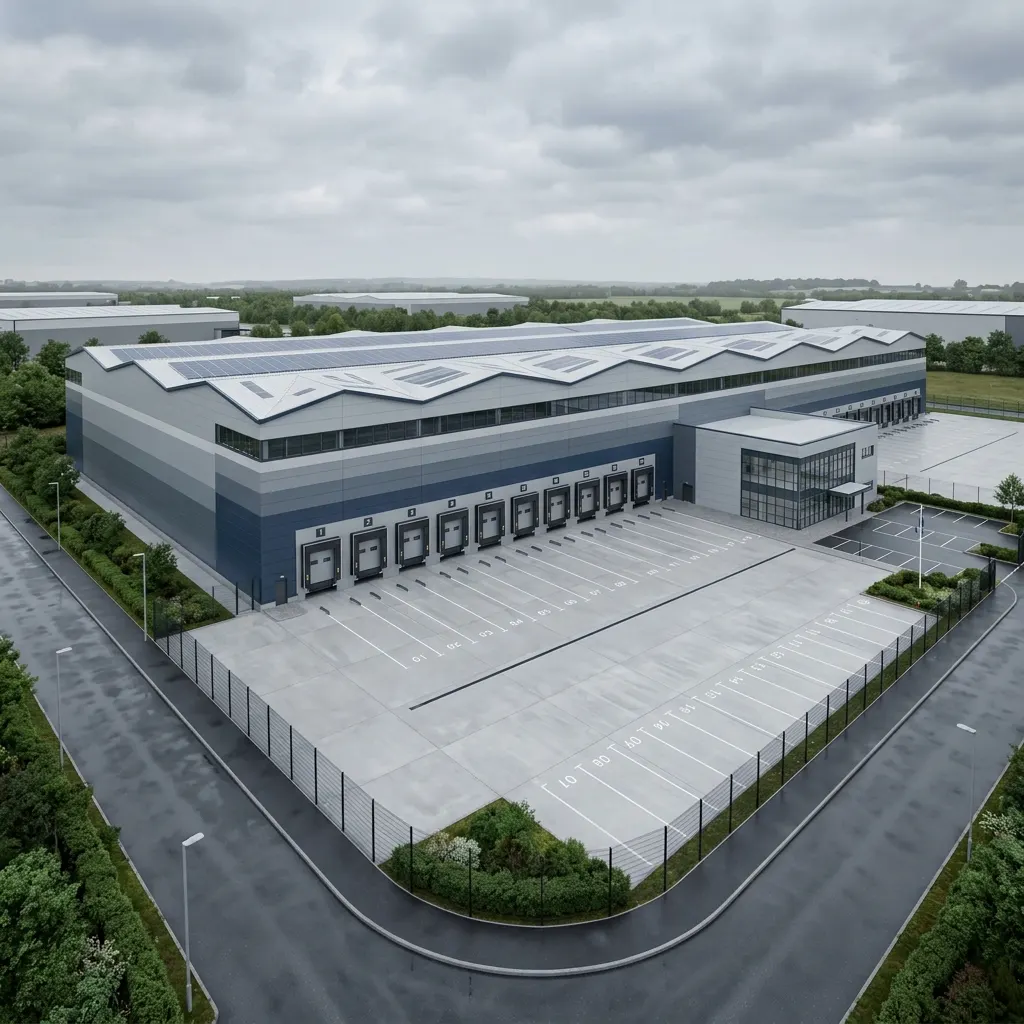
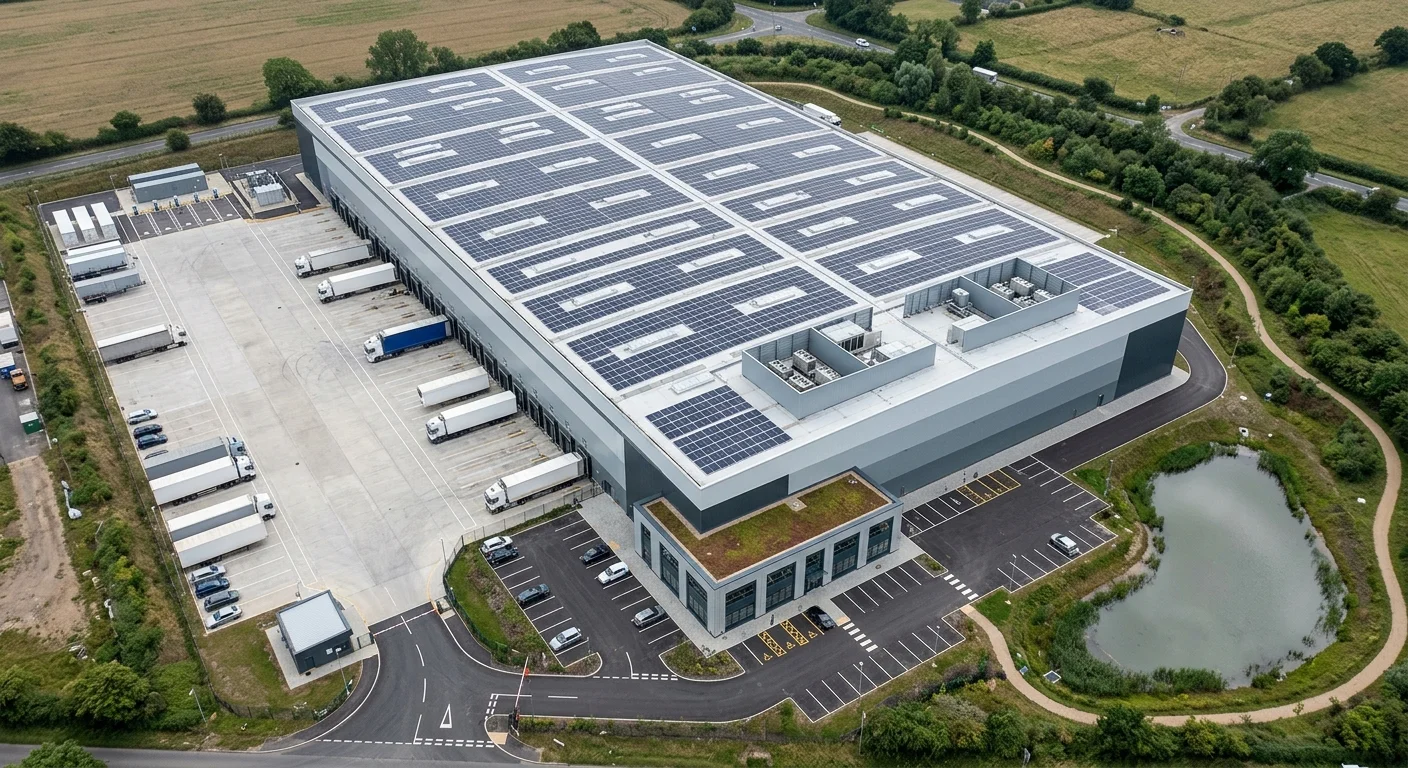
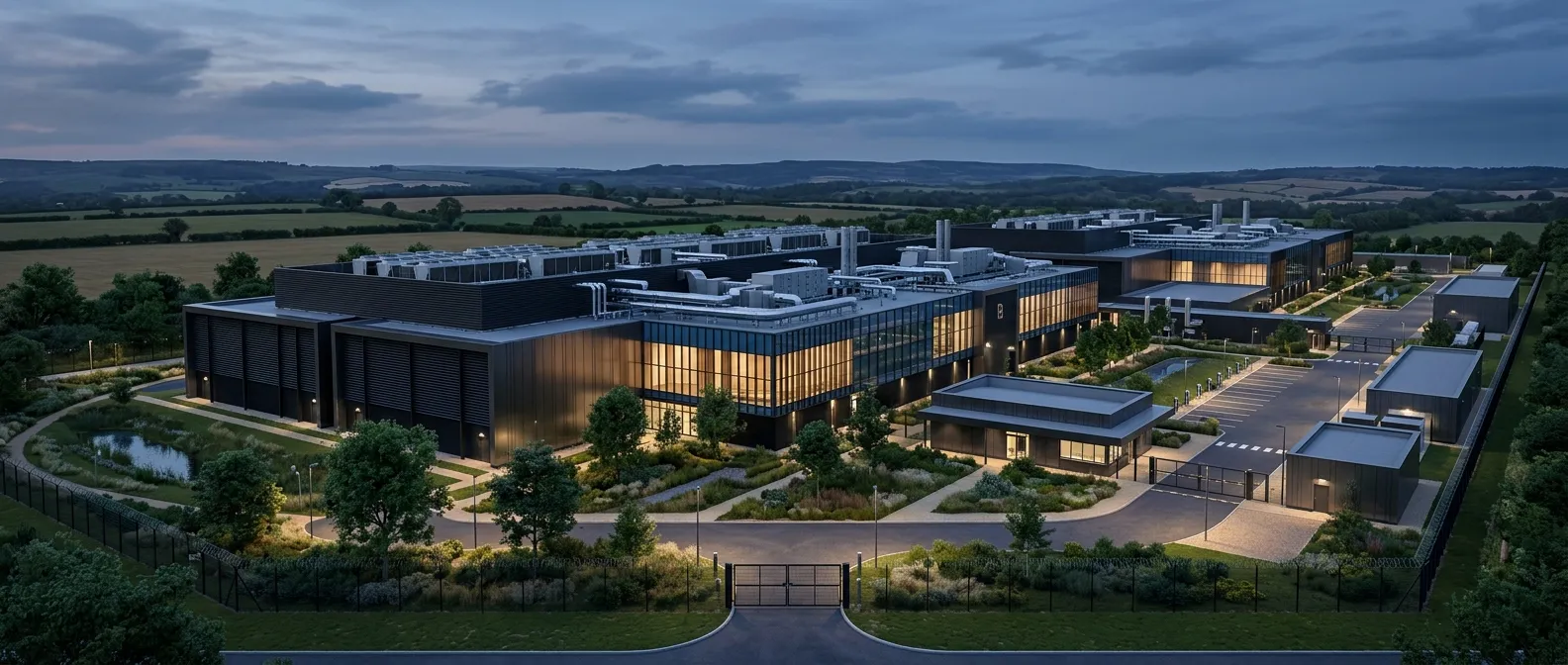
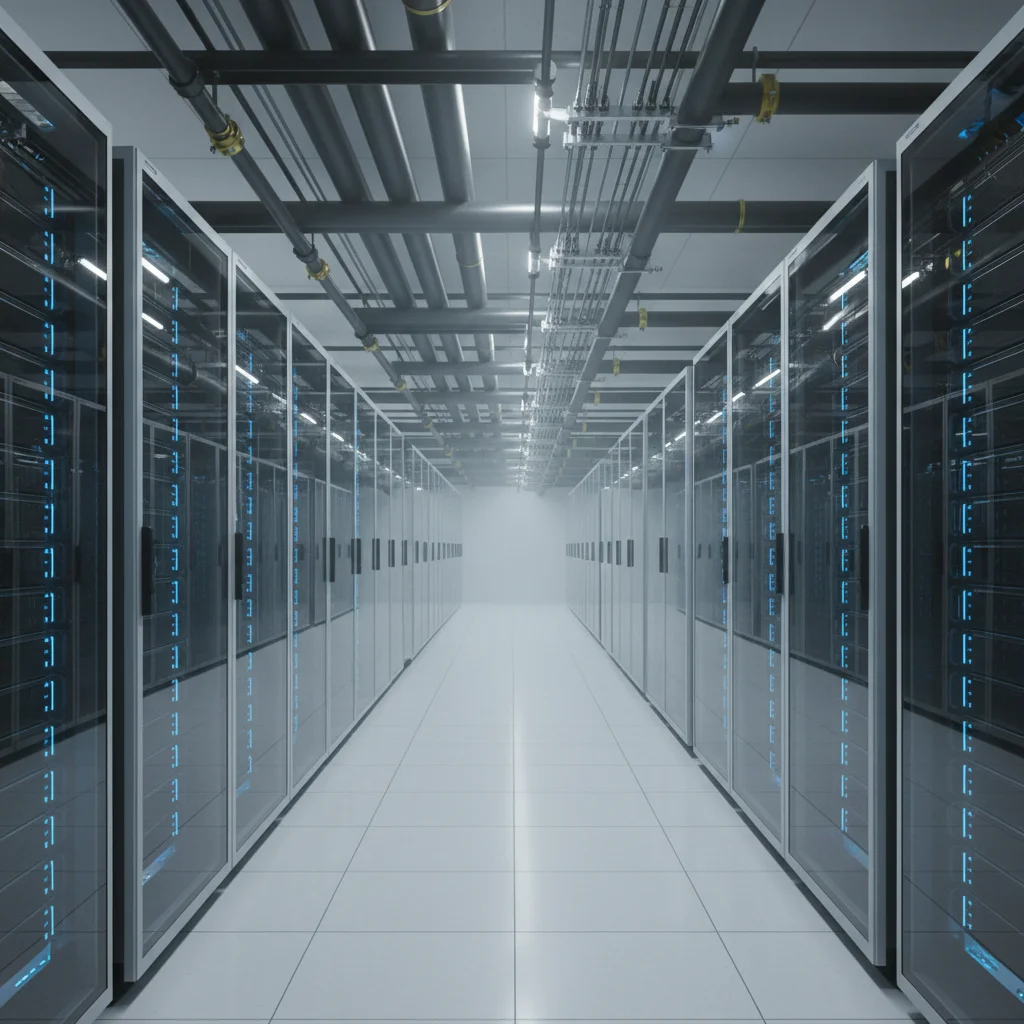
The conversion page bridges existing warehouse/logistics evidence and data centre visualisation evidence. These live pages show the two sides of that proof set.
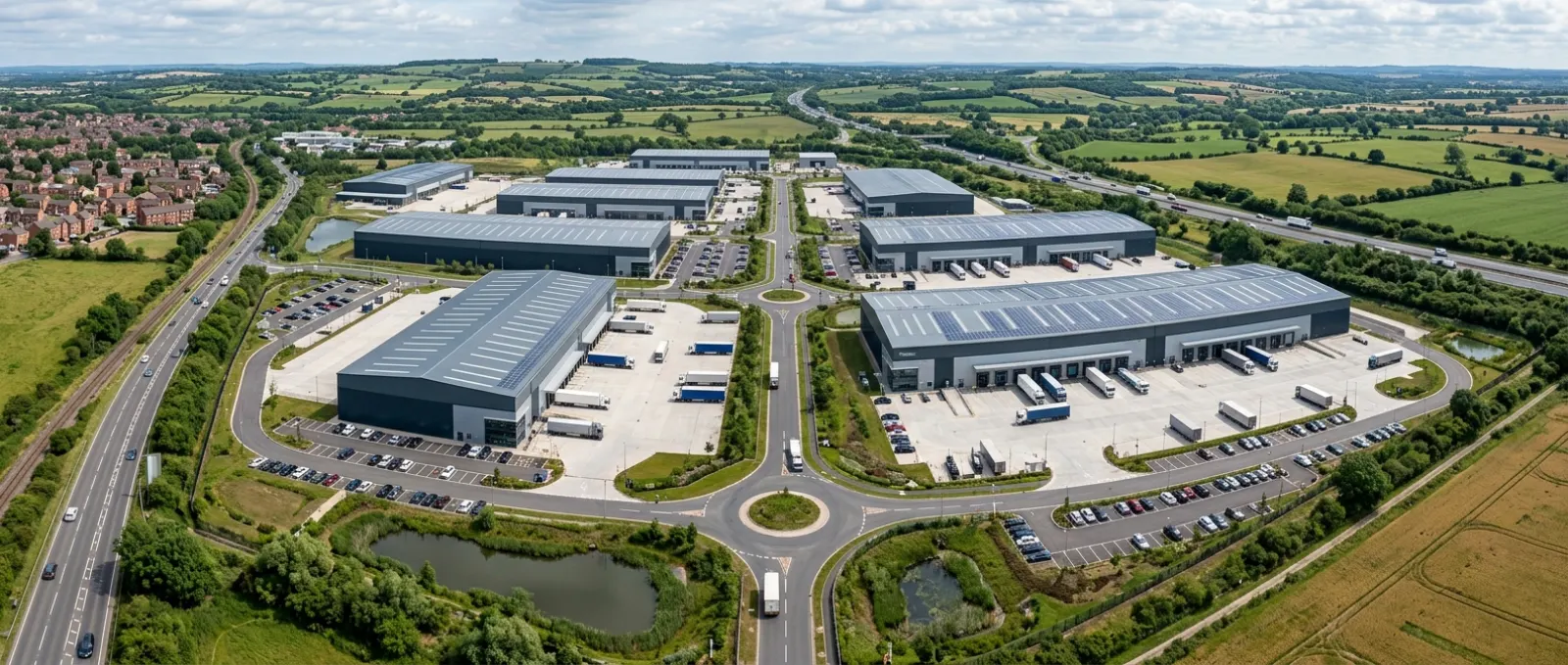
See the full industrial CGI portfolio for warehouse, data centre, infrastructure and confidential project examples.
These sources support the page's external context. StratumCGI's recommendations on CGI evidence, visual study structure and stakeholder proof are studio-side interpretation of the conversion problem.
Yes, but only when the site can prove power, fibre, cooling, structure, access, security, acoustic and planning suitability. CGI helps compare routes and communicate evidence, but it does not replace engineering, planning or legal due diligence.
The first checks are power capacity, grid connection date, fibre access, cooling strategy, structural suitability, access and security, acoustic impact, neighbour context and planning route.
A powered shell is a prepared asset or site with enough power, envelope and infrastructure logic to attract operator or investor review. A full conversion goes further into technical fit-out, data hall layout, resilience, cooling and operations.
They fit as one possible route inside a conversion study. They can support phased, temporary or edge capacity, but they still need site-level evidence for power, cooling, access, security, acoustics and planning.
Planning review usually needs before-and-after views, verified or planning-grade viewpoints, plant-yard views, substation interface visuals, acoustic-screening views, security perimeter views, access diagrams and landscape mitigation.
Yes. A coordinated base model can compare retained-shell, powered-shell, rebuild and modular insertion routes while keeping the site geometry, access context, neighbour edge and planning viewpoint logic aligned.
Send the existing site information, conversion route assumptions and review audience. StratumCGI will map the visual evidence needed before planning review, investor discussion or hyperscaler screening.